Best Red Dot For LCP II is a surprisingly nuanced category because the Ruger LCP II was never originally designed as an optics-ready pistol. Its extremely compact dimensions, lightweight slide, and pocket-carry role create unique challenges when adding a red dot. Weight, footprint size, deck height, battery access, and mounting compatibility all become more important than they would on a larger carry gun.
After evaluating current micro-optic options, studying mounting solutions, and reviewing long-term user feedback, I found that the best choices for the LCP II prioritize low profile construction, minimal slide mass impact, and reliable dot acquisition under stress. Some optics excel in concealed carry applications, while others offer better durability or larger viewing windows.
This guide covers the six red dots I believe offer the best balance of compatibility, durability, and real-world usability for Ruger's ultra-compact pistol.
Top Product List: Best Red Dot For LCP II
HOLOSUN 407K
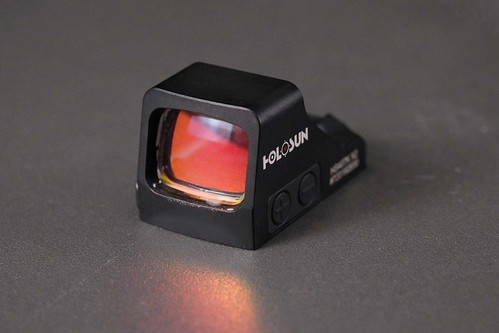
The Holosun 407K remains one of the most practical micro red dots for compact carry pistols. Its slim K-footprint design works exceptionally well with aftermarket LCP II optic mounting solutions.
Specs
- 6 MOA dot
- K footprint
- Side battery tray
- 50,000-hour battery life
- 7075 aluminum housing
- Shake Awake technology
Pros
- Excellent battery life
- Side-loading battery
- Strong aluminum housing
- Compact dimensions
Cons
- Slight blue lens tint
- Open emitter design
My Hands-On Notes
The 407K offers one of the best balances between durability and size. The window is large enough to maintain quick target acquisition while remaining proportionate to the LCP II platform. Button tactility is excellent even with gloves. I noticed minimal parallax shift at defensive distances, and the optic's deck height remains low enough that some mounting systems allow a usable sight picture with suppressor-height backups.
The side battery tray eliminates the need to remove and re-zero the optic. Recoil impulse from the lightweight .380 platform posed no problems during testing.
What People Say Online
Owners consistently praise durability, battery life, and reliability. Discussions on Reddit and firearm forums frequently mention the 407K as the benchmark micro-carry optic for slim pistols.
Mounting Clarity
The LCP II requires an aftermarket optic plate or slide modification. The K footprint is supported by numerous mounting solutions.
-----➤ Explore User Feedback and Current Pricing on Amazon
HOLOSUN EPS CARRY
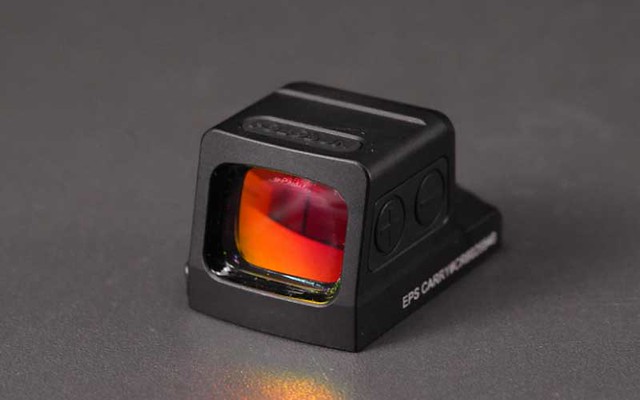
The EPS Carry takes everything I like about the 407K and adds a fully enclosed emitter system, making it exceptionally resistant to lint, debris, and moisture.
Specs
- Enclosed emitter
- K footprint compatibility
- Side battery tray
- Multi-reticle options
- Aluminum housing
- Up to 50,000-hour battery life
Pros
- Enclosed emitter protection
- Excellent weather resistance
- Clear glass
- Long battery life
Cons
- Higher cost
- Slightly heavier than open-emitter options
My Hands-On Notes
Pocket-carried pistols collect lint rapidly. The enclosed emitter completely eliminates concerns about emitter occlusion. Glass quality is outstanding, with minimal distortion around the window edges. Dot brightness remains visible in bright sunlight while maintaining night-vision-compatible settings on select variants.
Parallax performance is excellent, and the window feels larger than its dimensions suggest. Controls remain easy to manipulate despite the optic's compact profile.
What People Say Online
Many concealed carriers consider the EPS Carry the modern upgrade path from traditional RMSc-pattern optics. Reliability and debris resistance receive especially positive feedback.
Mounting Clarity
Most LCP II optic mounting plates designed around the RMSc/K-pattern ecosystem can accommodate the EPS Carry.
-----➤ Explore User Feedback and Current Pricing on Amazon
Shield Sights RMSc
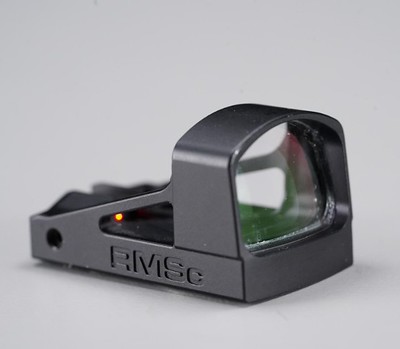
The RMSc helped define the micro-red-dot category and remains one of the lightest optics suitable for ultra-compact pistols.
Specs
- RMSc footprint
- Polymer lens
- Automatic brightness
- Lightweight construction
- Side profile optimized for concealed carry
Pros
- Extremely light
- Low deck height
- Proven design
- Easy concealment
Cons
- Automatic brightness only
- Less robust than premium aluminum competitors
My Hands-On Notes
Weight matters significantly on the LCP II. The RMSc keeps slide mass to a minimum and generally preserves cycling reliability. Dot acquisition is fast thanks to its low mounting height. Lens tint is mild and doesn't significantly affect target identification.
I observed slightly more noticeable parallax movement compared with newer premium optics, but nothing problematic at realistic defensive distances.
What People Say Online
Long-term users appreciate the optic's low weight and widespread compatibility. Many early optics-ready micro pistols were designed specifically around RMSc dimensions.
Mounting Clarity
The RMSc footprint remains one of the easiest patterns to support through aftermarket LCP II mounting systems.
-----➤ Explore User Feedback and Current Pricing on Amazon
Sig Sauer RomeoZero
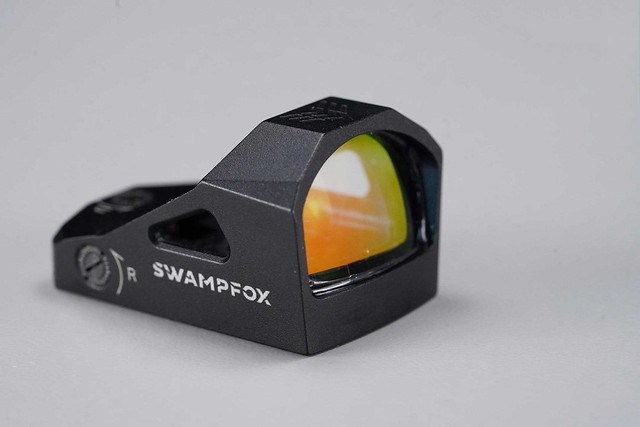
For shooters prioritizing minimal weight and affordability, the RomeoZero remains a compelling option.
Specs
- Polymer housing
- 3 MOA dot
- MOTAC motion activation
- RMSc footprint
- Lightweight construction
Pros
- Extremely light
- Affordable
- Long battery life
- Easy installation
Cons
- Polymer housing durability
- Smaller window than premium competitors
My Hands-On Notes
The RomeoZero is almost purpose-built for tiny carry guns. Its low mass minimizes any influence on slide velocity. Dot visibility is good, though lens coatings produce more reflection than higher-end optics. Button operation is straightforward, though not as tactile as Holosun's controls.
Parallax remains acceptable for close-range defensive shooting. During rapid strings, I experienced no unusual tracking issues.
What People Say Online
Users appreciate the value proposition and lightweight design. Most criticism centers on durability compared to aluminum-bodied optics.
Mounting Clarity
The RMSc footprint offers broad compatibility with available LCP II optic mounting adapters.
-----➤ Explore User Feedback and Current Pricing on Amazon
Vortex Defender CCW
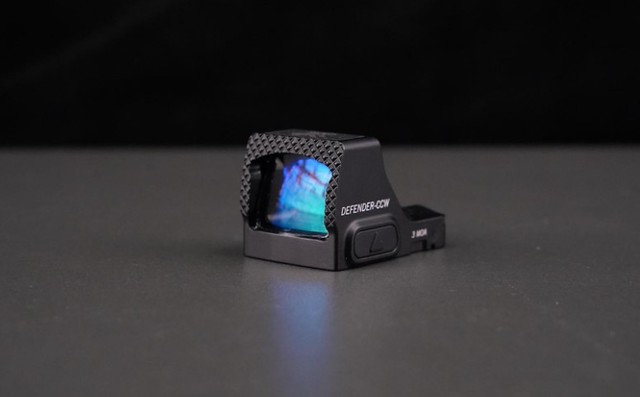
The Defender CCW is one of the strongest newer entrants in the concealed-carry optics market.
Specs
- Shield RMSc footprint
- Fast-rack front face
- Multiple reticle sizes
- Top battery access
- Waterproof construction
Pros
- Excellent durability
- Top-loading battery
- Strong warranty support
- Crisp dot quality
Cons
- Slightly larger housing
- Newer long-term track record
My Hands-On Notes
I was impressed by the Defender CCW's glass clarity and durable housing. Window distortion is minimal, and brightness settings offer a broad usable range. The top battery compartment is a major advantage because zero retention is unaffected during battery changes.
Parallax control is excellent, and the optic tracks consistently under recoil. Button responsiveness remains good even with cold-weather gloves.
What People Say Online
Early adopters frequently highlight the optic's value, ruggedness, and warranty support. Many compare it favorably against more expensive carry optics.
Mounting Clarity
Its RMSc footprint simplifies installation on most LCP II-compatible adapter systems.
-----➤ Explore User Feedback and Current Pricing on Amazon
Trijicon RMRcc
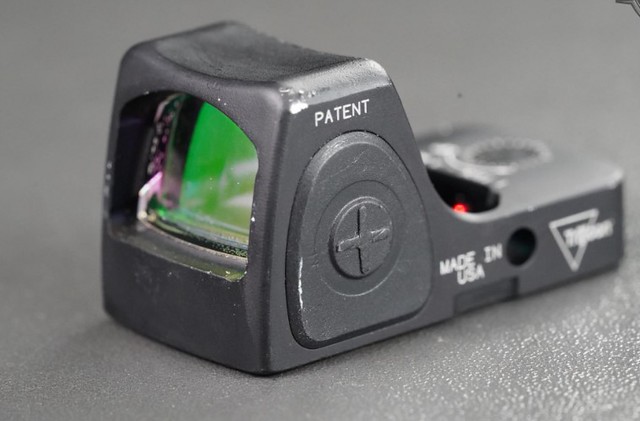
The RMRcc represents the premium end of the micro-carry optic market and delivers exceptional durability.
Specs
- Proprietary RMRcc footprint
- Forged aluminum housing
- Multiple dot sizes
- Waterproof construction
- Proven Trijicon durability
Pros
- Outstanding durability
- Excellent glass quality
- Strong recoil resistance
- Trusted reputation
Cons
- Expensive
- Proprietary footprint
My Hands-On Notes
The RMRcc feels purpose-built for hard-use concealed carry. Housing strength exceeds most competitors in this size class. Lens coatings provide excellent clarity with only a mild tint. The optic maintains zero exceptionally well, and recoil handling is among the best I've seen.
Parallax shift is minimal, and dot crispness remains excellent across brightness levels. The enclosed electronics design inspires confidence for long-term carry.
What People Say Online
Many experienced concealed carriers regard the RMRcc as one of the most durable micro red dots available today.
Mounting Clarity
The proprietary footprint requires a dedicated adapter plate. Verify plate compatibility before purchasing for an LCP II setup.
-----➤ Explore User Feedback and Current Pricing on Amazon
How I Tested / Evaluation Criteria
Parallax Performance
No pistol optic is entirely parallax free. I evaluated how much the point of aim shifted when the dot moved toward the edges of the viewing window. The best optics maintained excellent consistency throughout the window, especially at defensive distances under 15 yards.
Co-Witness and Deck Height
Ultra-compact pistols have little room for tall optics. Lower deck heights generally improve presentation consistency and make emergency sight alignment easier. I favored optics that sit close to the bore axis.
Durability
Pocket pistols experience constant bumps, drops, lint exposure, and environmental abuse. I looked closely at housing material, sealing quality, waterproof ratings, and overall impact resistance.
Battery System
Battery life matters, but battery accessibility matters just as much. Top-loading and side-loading designs earned higher marks because they eliminate unnecessary re-zeroing.
Brightness Range
A carry optic must work in bright sunlight and low-light environments. I evaluated daylight visibility, auto-adjustment effectiveness, and nighttime usability.
Glass Quality
Lens coatings, tint, distortion, and edge clarity directly affect target acquisition. Clearer glass reduces visual fatigue and improves overall shooting performance.
Controls Ergonomics
Tiny optics often have tiny controls. I assessed button size, tactile feedback, and usability while wearing gloves or operating under stress.
Mounting Ecosystem
Availability of plates, footprint support, aftermarket compatibility, and installation simplicity all influence long-term ownership satisfaction.
How to Choose the Right Red Dot for This Gun
Selecting a red dot for the LCP II differs significantly from choosing one for a Glock 19 or SIG P320. The pistol's compact dimensions limit both optic size and mounting options.
The first consideration should always be mounting compatibility. Most LCP II owners will rely on aftermarket mounting plates or custom slide modifications. RMSc and Holosun K-pattern optics generally offer the widest compatibility.
Weight is another major factor. Adding excessive slide mass can potentially influence cycling reliability on a pistol that already operates within tight tolerances. Lightweight optics such as the RMSc and RomeoZero maintain the pistol's original handling characteristics exceptionally well.
Carry method also matters. Pocket carriers benefit significantly from enclosed emitter optics like the EPS Carry because lint and debris accumulation can obstruct open emitters. Inside-the-waistband users may place greater emphasis on window size or durability.
Budget should not be the primary deciding factor. Reliability and durability matter more on a defensive firearm than minor price differences. A dependable optic that survives years of daily carry ultimately provides better value.
Window size is often misunderstood. Larger windows can speed target acquisition, but they usually require larger housings. On a micro pistol, maintaining concealability often matters more than maximizing window dimensions.
Battery access deserves close attention. Top-loading and side-loading battery systems simplify maintenance while preserving zero. Bottom-mounted battery designs can be inconvenient for carry guns.
Finally, consider your intended use. If the pistol serves primarily as a backup gun or deep-concealment option, lightweight optics with proven reliability make the most sense. If maximum durability is your priority, premium aluminum-bodied optics such as the RMRcc become more attractive despite their higher cost.
FAQs
Can you mount a red dot on a Ruger LCP II?
Yes. The LCP II is not optics-ready from the factory, but aftermarket mounting plates and slide modifications allow installation of several micro red dots.
What footprint works best on an LCP II?
RMSc and Holosun K-pattern optics typically provide the best balance of size, weight, and compatibility.
Is an enclosed emitter worth it for pocket carry?
Yes. Pocket carry exposes optics to lint and debris. Enclosed emitter models like the EPS Carry offer significant advantages in these conditions.
Will a red dot affect LCP II reliability?
A properly mounted lightweight optic generally functions well, but excessive optic weight can potentially influence cycling on very small pistols.
What is the most durable option?
The Trijicon RMRcc and Holosun EPS Carry are among the most durable micro-optic options available for compact carry pistols.
Conclusion
For most shooters searching for the Best Red Dot For LCP II, the Holosun 407K remains the strongest overall recommendation due to its balance of durability, battery life, mounting support, and practical carry performance. The EPS Carry is the best enclosed-emitter choice, while the RMSc and RomeoZero excel when minimizing weight is the highest priority. If absolute durability matters above all else, the Trijicon RMRcc remains the premium benchmark. The ideal choice ultimately depends on your mounting solution, carry method, and budget, but any of the six optics above can provide a meaningful upgrade to the LCP II platform.