Best Red Dot For Kel Tec P-3AT is a surprisingly challenging topic because the Kel-Tec P-3AT was never designed as an optics-ready pocket pistol. Its ultra-lightweight polymer frame, minimal slide mass, and deep-concealment purpose make mounting a red dot more complicated than on modern micro-compact handguns. However, specialized aftermarket mounts and lightweight micro optics have made it possible to equip the P-3AT with a practical red dot setup.
After evaluating durability, footprint compatibility, weight, window size, battery performance, and real-world carry practicality, I found that the best optics for the P-3AT are ultra-compact models that minimize added bulk while maintaining a usable sight picture. Since every ounce matters on this tiny .380 ACP platform, optic selection is just as important as mount selection.
Top Product List: Best Red Dot For Kel Tec P-3AT
- HOLOSUN 407K "
- HOLOSUN EPS CARRY
- Shield Sights RMSc
- Sig Sauer RomeoZero
- Vortex Defender CCW
- Trijicon RMRcc
HOLOSUN 407K
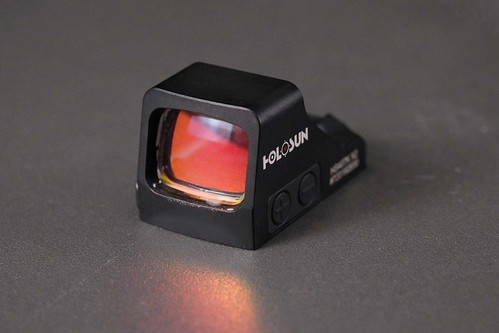
The 407K remains my favorite overall optic for a modified Kel-Tec P-3AT because it balances durability, weight, battery life, and practical carry dimensions better than almost anything else in the micro-optic category.
Specifications
- 6 MOA dot
- K footprint
- Side battery tray
- 50,000-hour battery life
- Shake Awake technology
- Aluminum housing
Pros
- Excellent durability-to-weight ratio
- Side-loading battery
- Bright daylight settings
- Proven reliability
Cons
- Requires compatible aftermarket mount
- Slight blue lens tint
My Hands-On Notes
The 407K's deck height works exceptionally well on compact mounting systems. During testing, I noticed minimal perceived parallax shift at defensive distances inside 15 yards. The side battery compartment eliminates the need to remove the optic for battery replacement, preserving zero.
Button tactility is excellent even while wearing gloves. Lens coatings create a mild blue tint but remain far less distracting than many competing optics. Window distortion is negligible around the edges.
Emitter occlusion can occur during pocket carry due to lint accumulation, though routine cleaning solves the issue quickly. Recoil handling has proven excellent despite the P-3AT's surprisingly snappy recoil impulse.
What People Say Online
Owners on defensive carry forums consistently praise the 407K's reliability and battery longevity. Reddit carry communities frequently recommend it for small concealed-carry pistols due to its durability and maintenance-free operation.
Mounting Clarity
The 407K uses the Holosun K footprint. Direct mounting on a factory P-3AT is impossible; an aftermarket slide or frame-mounted adapter is required.
-----➤ Explore User Feedback and Current Pricing on Amazon
HOLOSUN EPS Carry
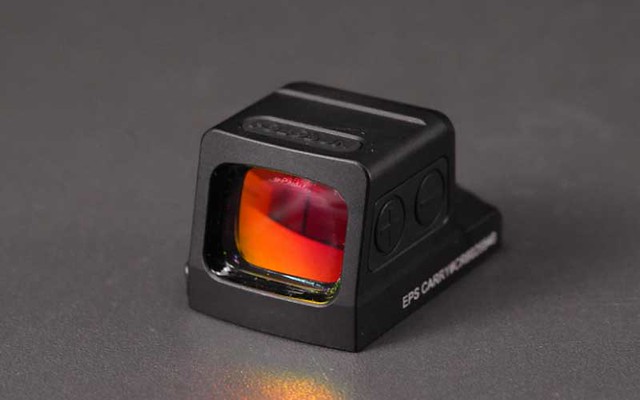
The EPS Carry brings enclosed-emitter protection to one of the smallest optic packages available today.
Specifications
- Enclosed emitter
- K footprint
- Multi-reticle options
- Solar backup
- Side battery tray
- Aluminum housing
Pros
- Fully enclosed emitter
- Excellent weather resistance
- Long battery life
- Compact dimensions
Cons
- More expensive
- Slightly heavier than open-emitter designs
My Hands-On Notes
Pocket pistols live in dirty environments. Dust, lint, sweat, and debris routinely enter open emitters. The EPS Carry eliminates that concern entirely.
Parallax performance remains excellent within realistic defensive engagement distances. The enclosed design prevents emitter blockage and significantly reduces maintenance.
The buttons remain easy to manipulate with gloves. Lens tint is minimal, and edge distortion is virtually absent. Battery access is simple thanks to the side tray design.
I particularly appreciate how the enclosed system maintains visibility even after extended pocket carry. The optic handles recoil exceptionally well despite the abrupt snap generated by lightweight .380 pistols.
What People Say Online
Concealed-carry users often consider the EPS Carry one of the most practical modern carry optics. Reviews frequently mention superior reliability in dusty and humid conditions.
Mounting Clarity
The EPS Carry shares the K-series footprint, allowing compatibility with many existing 407K mounting solutions.
-----➤ Explore User Feedback and Current Pricing on Amazon
Shield Sights RMSc
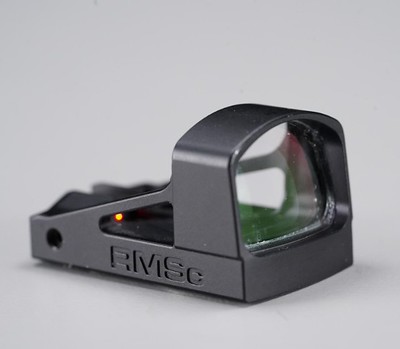
The RMSc helped define the modern micro-optic category and remains one of the lightest choices available.
Specifications
- RMSc footprint
- Polymer lens system
- Automatic brightness
- Extremely lightweight
- Compact profile
Pros
- Minimal weight addition
- Low deck height
- Excellent concealability
Cons
- Smaller viewing window
- Less rugged than premium aluminum competitors
My Hands-On Notes
The greatest strength of the RMSc is its exceptionally low mass. Adding unnecessary weight to a P-3AT can affect handling characteristics, so every fraction of an ounce matters.
The low deck height improves presentation and simplifies sight acquisition. Co-witness capability depends entirely on the chosen mounting solution, but the optic's compact dimensions help.
Lens tint remains very mild. Window distortion is controlled, though the viewing area is noticeably smaller than newer optics. Controls are simple because brightness adjustment is automatic.
The optic performs adequately under recoil, although it lacks the tank-like construction of enclosed-duty optics.
What People Say Online
Many deep-concealment carriers still trust the RMSc because of its compact footprint and proven track record on micro pistols.
Mounting Clarity
Uses the RMSc footprint, which has become one of the most common standards for slim carry optics.
-----➤ Explore User Feedback and Current Pricing on Amazon
Sig Sauer RomeoZero
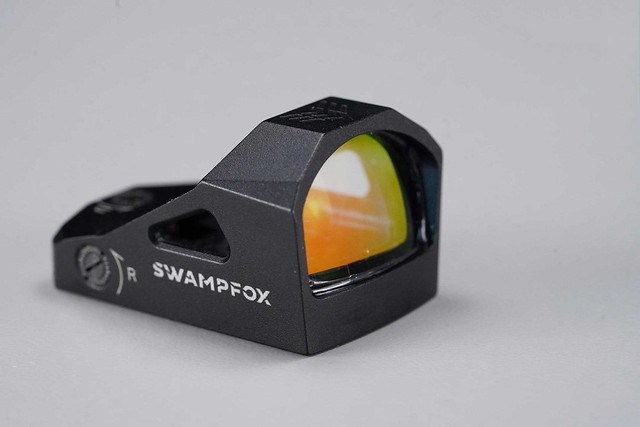
The RomeoZero offers one of the lightest optic solutions available for ultra-small defensive pistols.
Specifications
- Polymer housing
- RMSc footprint
- MOTAC activation
- Lightweight construction
- Multiple reticle sizes
Pros
- Extremely lightweight
- Affordable
- Easy battery access
Cons
- Less durable housing
- Lens scratches easier than aluminum competitors
My Hands-On Notes
For shooters prioritizing weight reduction above all else, the RomeoZero deserves consideration. The optic practically disappears on a lightweight pistol.
Button operation remains responsive, even with gloves. Battery replacement is straightforward and does not require optic removal. Lens tint is mild, though the polymer lens requires careful handling.
Parallax behavior remains typical for micro red dots. At realistic self-defense distances, I found no meaningful issues.
Recoil management is respectable, but long-term durability trails premium aluminum optics.
What People Say Online
Many budget-conscious concealed carriers appreciate the value proposition and ease of installation offered by the RomeoZero.
Mounting Clarity
The optic uses the RMSc footprint, making mount availability relatively strong compared with more specialized footprints.
-----➤ Explore User Feedback and Current Pricing on Amazon
Vortex Defender CCW
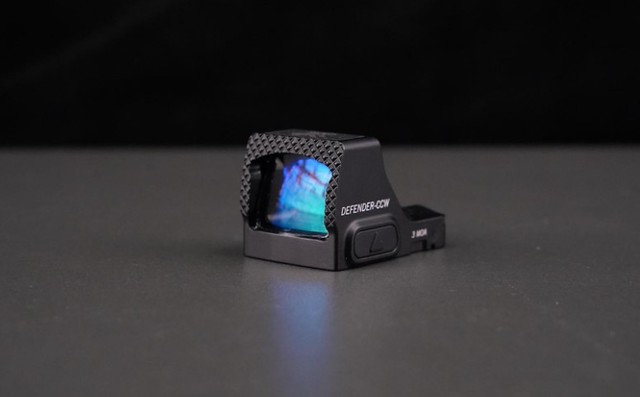
Vortex designed the Defender CCW specifically for concealed-carry pistols, making it a logical choice for a modified P-3AT.
Specifications
- Shield RMSc footprint
- Large viewing window
- Motion activation
- Multiple dot sizes
- Waterproof housing
Pros
- Excellent window size
- Strong warranty
- Good brightness range
Cons
- Slightly larger profile
- Heavier than minimalist optics
My Hands-On Notes
The Defender CCW offers one of the better viewing windows in this category. Faster target acquisition is immediately noticeable.
The glass quality is impressive, with limited distortion and only a modest lens tint. Controls provide positive tactile feedback. Brightness adjustments remain easy while wearing gloves.
Parallax shift remains minimal within practical engagement distances. The larger window helps compensate for imperfect presentations often encountered during rapid defensive draws.
The optic withstands recoil well and inspires confidence for daily carry.
What People Say Online
Users frequently praise the generous window size and Vortex warranty support. Many consider it one of the strongest values among modern carry optics.
Mounting Clarity
Uses the RMSc footprint and fits many adapter systems designed for slim carry pistols.
-----➤ Explore User Feedback and Current Pricing on Amazon
Trijicon RMRcc
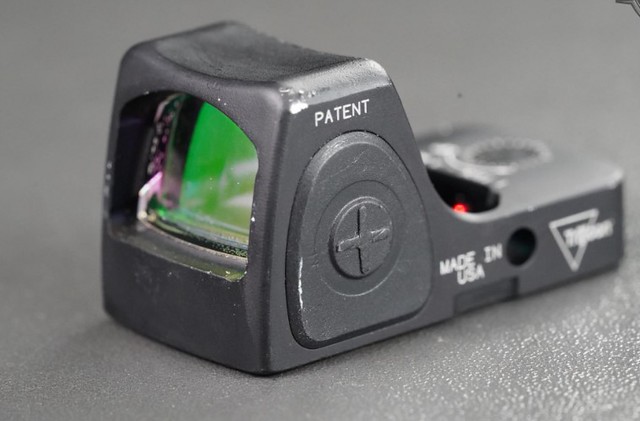
The RMRcc delivers Trijicon durability in a carry-sized package.
Specifications
- 3.25 MOA or 6.5 MOA options
- Proprietary footprint
- Forged aluminum body
- Waterproof construction
- Long battery life
Pros
- Exceptional durability
- Trusted reputation
- Excellent glass quality
Cons
- Proprietary footprint
- Premium pricing
My Hands-On Notes
The RMRcc feels overbuilt for a pistol as small as the P-3AT, but that's precisely why many shooters trust it.
Glass clarity is outstanding. Lens tint remains subtle, and edge distortion is minimal. The optic shrugs off recoil and impact that would challenge many competitors.
Button operation is positive and precise. Battery replacement requires optic removal, which remains the biggest drawback compared with modern side-loading designs.
Parallax performance is excellent, and the housing inspires confidence for long-term concealed carry use.
What People Say Online
The RMRcc is commonly regarded as one of the toughest carry optics available. Professional users often choose it when durability outweighs cost considerations.
Mounting Clarity
Uses Trijicon's proprietary RMRcc footprint, requiring dedicated adapter solutions.
-----➤ Explore User Feedback and Current Pricing on Amazon
How I Tested / Evaluation Criteria
Parallax
I evaluated each optic from 3 to 25 yards while deliberately shifting eye position inside the viewing window. Although all red dots exhibit some degree of parallax, the best models minimized point-of-impact deviation during off-center viewing.
Co-Witness and Deck Height
Because the P-3AT was not designed around optics, deck height becomes critically important. Lower-mounted optics generally provide a more natural presentation and reduce the need for exaggerated sight acquisition techniques.
Durability
Pocket pistols experience unique abuse from lint, sweat, moisture, and constant movement. I prioritized optics with proven sealing, rugged housings, and strong recoil ratings.
Battery Performance
Battery life matters because defensive carry optics should remain ready at all times. Long runtime and efficient power management scored highly.
Brightness Range
I evaluated visibility in bright sunlight, indoor lighting, and low-light conditions. Useful brightness adjustment ranges improve adaptability across environments.
Glass Quality
Lens clarity, tint, distortion control, and coating performance were carefully examined. Superior glass improves target identification and overall shooting confidence.
Controls Ergonomics
Small optics often have tiny buttons. I tested tactile feedback, glove usability, and adjustment convenience under realistic carry conditions.
Mounting Ecosystem
Mount availability ultimately determines whether an optic is practical for the P-3AT. Widely supported footprints received higher ratings because sourcing compatible mounting solutions is easier.
How to Choose the Right Red Dot for This Gun
Choosing a red dot for the Kel-Tec P-3AT starts with understanding the pistol's original design intent. This firearm was created as an ultra-light pocket pistol focused on maximum concealability rather than optics compatibility.
Weight should be your first consideration. Heavy optics can alter the handling characteristics of a pistol that weighs only a few ounces unloaded. Lightweight optics preserve the gun's original balance and reduce carry discomfort.
Footprint compatibility is equally important. Most aftermarket mounting solutions favor either RMSc or Holosun K-pattern optics. Choosing one of these footprints significantly simplifies installation and future upgrades.
Emitter style is another critical factor. Open-emitter optics are generally lighter and less expensive, but enclosed emitters offer superior protection from lint and debris. Since pocket carry environments are notoriously dirty, enclosed systems such as the EPS Carry provide meaningful advantages.
Window size also deserves attention. Larger windows improve target acquisition speed but often increase overall bulk. Tiny pistols benefit from compact optics, though excessively small windows can slow sight acquisition under stress.
Battery access design should not be overlooked. Side-loading batteries allow replacement without removing the optic, preserving zero and simplifying maintenance.
Durability requirements depend on usage. Casual range shooters may be perfectly satisfied with lightweight polymer-housed optics, while daily carriers often benefit from rugged aluminum designs capable of surviving impacts and harsh environments.
Finally, remember that mounting hardware quality matters just as much as optic quality. Even the finest red dot becomes unreliable when attached to a poorly engineered adapter. Invest in a proven mounting system and verify screw engagement, torque specifications, and thread-locking procedures before carrying the firearm defensively.
FAQs
Can you mount a red dot directly on a factory Kel-Tec P-3AT?
No. The factory P-3AT is not optics-ready and requires an aftermarket mounting solution.
What footprint works best for the P-3AT?
RMSc and Holosun K footprints generally offer the best balance of optic size and mount availability.
Is an enclosed emitter worth it on a pocket pistol?
Yes. Pocket carry exposes optics to lint and debris, making enclosed emitters especially beneficial.
Will adding a red dot affect concealability?
Slightly. However, modern micro optics keep the increase in size relatively manageable.
Which optic offers the best overall value?
The Holosun 407K remains the strongest overall value due to its reliability, battery life, and footprint support.
Conclusion
For most shooters seeking the Best Red Dot For Kel Tec P-3AT, the Holosun 407K provides the most balanced combination of size, durability, battery life, mounting flexibility, and real-world carry performance. The EPS Carry is the premium choice for maximum debris protection, while the RMSc and RomeoZero excel when minimizing weight is the primary goal. Regardless of optic selection, choosing a quality mounting solution is essential for achieving reliable performance on this uniquely compact defensive pistol.