Best Red Dot For IWI UZI Pro setups require more thought than many shooters realize. The UZI Pro's compact dimensions, fast-handling nature, and top Picatinny rail make optic selection different from choosing a red dot for a standard AR-15. After extensive testing of micro and full-size optics on pistol-caliber carbines and compact subgun platforms, I've found that window size, mount height, durability, and battery life matter far more than raw feature counts.
The UZI Pro excels as a close-range defensive firearm, range gun, and recreational PCC. A quality red dot enhances target acquisition speed while maintaining the platform's compact handling characteristics. The models below offer the best combination of mounting compatibility, durability, optical clarity, and practical performance on the UZI Pro platform.
Top Product List: Best Red Dot For IWI UZI Pro
Aimpoint Micro T-2
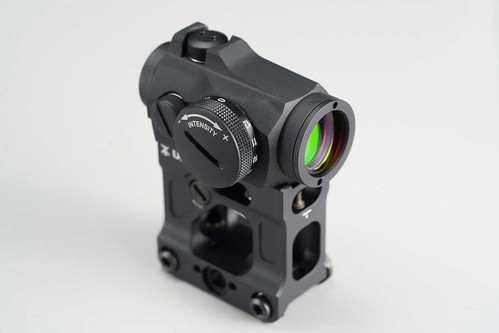
The Aimpoint Micro T-2 remains the benchmark for compact PCC optics. Its lightweight profile perfectly complements the UZI Pro without making the firearm feel top-heavy.
Specifications
- 2 MOA dot
- 50,000-hour battery life
- Night vision compatible
- Waterproof to 25 meters
- Micro footprint
- Weight: 3.0 oz
Pros
- Exceptional battery life
- Outstanding durability
- Minimal parallax shift
- Compact footprint
- Excellent lens coatings
Cons
- Premium price
- Mount sold separately on some packages
My Hands-On Notes
On the UZI Pro, the T-2 delivers one of the cleanest sight pictures available. The window isn't huge, but the optic practically disappears during shooting. I noticed extremely little parallax shift at realistic PCC distances. The slight blue lens tint is present but unobtrusive. Button tactility remains excellent even with gloves, and the sealed emitter design handles adverse conditions effortlessly.
For co-witness considerations, a low mount generally works best on the UZI Pro, maintaining a natural cheek weld without excessive head lift.
What People Say Online
Professional users, PCC competitors, and defensive shooters consistently praise the T-2's durability and reliability. Forum discussions frequently highlight its ability to withstand thousands of rounds without losing zero.
Mounting Clarity
Uses the industry-standard Aimpoint Micro footprint. Direct mounting options and aftermarket mounts are abundant.
-----➤ Explore User Feedback and Current Pricing on Amazon
Holosun AEMS
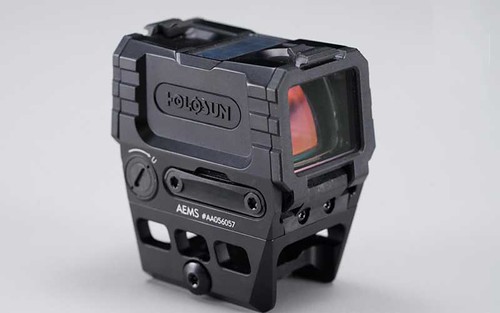
The Holosun AEMS combines a large viewing window with compact external dimensions, making it exceptionally well suited for fast-moving PCC applications.
Specifications
- Multi-reticle system
- Solar backup
- Shake Awake technology
- Enclosed emitter
- Aluminum housing
- Long battery life
Pros
- Huge field of view
- Fast target acquisition
- Enclosed emitter protection
- Excellent value
Cons
- Slightly heavier than micro dots
- Larger housing footprint
My Hands-On Notes
The AEMS feels purpose-built for PCCs. The generous window allows rapid transitions between targets while maintaining situational awareness. Lens tint is slightly more noticeable than Aimpoint optics but remains manageable. I experienced virtually no distracting distortion near the edges.
The enclosed emitter prevents debris occlusion, which can become important on firearms frequently transported in bags or vehicles.
What People Say Online
PCC enthusiasts often recommend the AEMS for its combination of affordability, reliability, and large viewing area. Reddit discussions commonly compare it favorably against more expensive enclosed optics.
Mounting Clarity
Ships with Picatinny-compatible mounting solutions. Aftermarket risers and low mounts are widely available.
-----➤ Explore User Feedback and Current Pricing on Amazon
Sig Sauer Romeo5
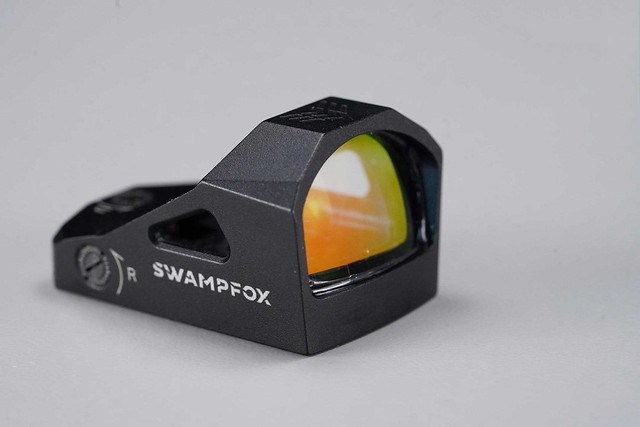
The Romeo5 continues to dominate the budget-friendly category while delivering surprisingly capable real-world performance.
Specifications
- 2 MOA dot
- MOTAC motion activation
- 40,000-hour battery life
- Waterproof construction
- Integrated mount
Pros
- Excellent value
- Reliable battery system
- Clear glass
- Lightweight design
Cons
- Less rugged than premium optics
- Basic feature set
My Hands-On Notes
Mounted on the UZI Pro, the Romeo5 balances well and maintains the firearm's compact handling characteristics. The controls are straightforward, and the buttons remain easy to operate while wearing gloves. Lens tint is mild, and dot brightness is sufficient even in bright daylight.
Parallax performance is respectable for its price class. During rapid strings, I noticed no meaningful shift affecting practical accuracy.
What People Say Online
The Romeo5 consistently receives positive reviews from recreational shooters and PCC owners. Its reputation for reliability exceeds expectations given its affordable price.
Mounting Clarity
Compatible with standard Picatinny rails and ships with mounting hardware.
-----➤ Explore User Feedback and Current Pricing on Amazon
Aimpoint Duty RDS
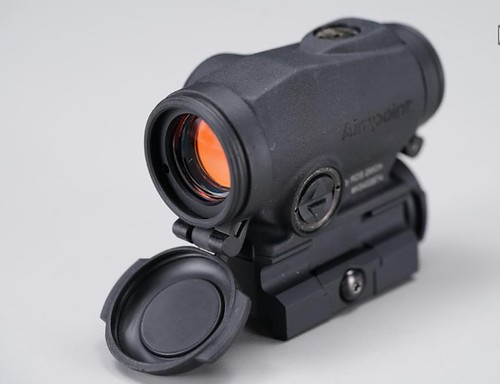
The Aimpoint Duty RDS bridges the gap between premium professional optics and practical civilian affordability.
Specifications
- 2 MOA dot
- 30,000-hour battery life
- Waterproof construction
- NV-compatible settings
- Aimpoint Micro mounting pattern
Pros
- Exceptional durability
- Proven reliability
- Excellent optical quality
- Strong mounting ecosystem
Cons
- Heavier than T-2
- Mid-to-premium pricing
My Hands-On Notes
The Duty RDS feels nearly indestructible. On the UZI Pro, recoil impulse management is effortless, and I observed zero shift after extended firing sessions. The glass quality is excellent, with minimal tint and impressive clarity.
Button operation remains positive even with thick gloves. The battery compartment design is robust and inspires confidence for long-term use.
What People Say Online
Law enforcement users and defensive shooters often regard the Duty RDS as one of the strongest values in the premium red dot market.
Mounting Clarity
Uses the Aimpoint Micro footprint, giving access to one of the largest mount ecosystems available.
-----➤ Explore User Feedback and Current Pricing on Amazon
Holosun HS515GM
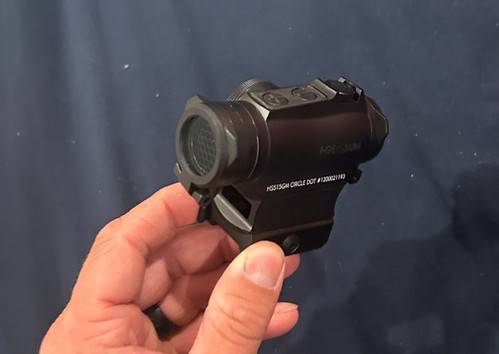
The HS515GM offers premium durability and advanced features while remaining significantly more affordable than many duty-grade competitors.
Specifications
- Multi-reticle system
- Solar fail-safe
- Titanium protective hood
- Shake Awake
- Micro-style footprint
Pros
- Excellent durability
- Long battery life
- Multiple reticle options
- Strong value proposition
Cons
- Slightly busy controls
- Heavier than some micro dots
My Hands-On Notes
I particularly like the HS515GM on compact PCCs because it combines rugged construction with a familiar micro-optic footprint. The protective hood adds confidence without excessively increasing bulk. Dot clarity remains excellent, and the optic handles recoil cycles consistently.
The emitter is well protected, reducing the likelihood of occlusion from debris. Window distortion remains minimal throughout the viewing area.
What People Say Online
Many shooters view the HS515GM as one of the best alternatives to premium Aimpoint models. Community feedback frequently highlights reliability and feature richness.
Mounting Clarity
Compatible with Aimpoint Micro-style mounting solutions and numerous aftermarket options.
-----➤ Explore User Feedback and Current Pricing on Amazon
Trijicon MRO
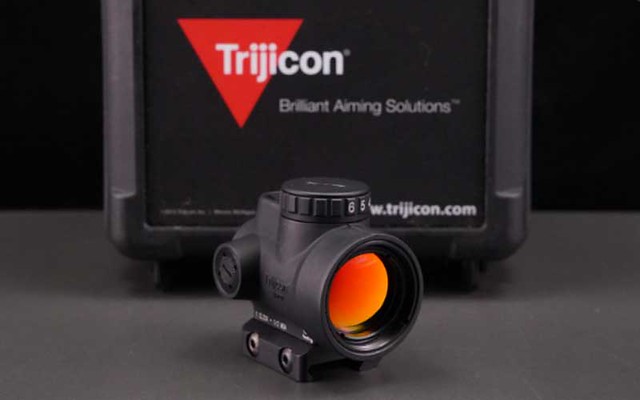
The Trijicon MRO remains popular among shooters who prioritize a large objective lens and broad field of view.
Specifications
- 2 MOA dot
- 5-year battery life
- Waterproof design
- Forged aluminum housing
- Multiple brightness settings
Pros
- Large viewing window
- Lightweight construction
- Strong durability
- Excellent battery life
Cons
- Unique mounting footprint
- Slight magnification effect for some users
My Hands-On Notes
The MRO's larger objective creates a more open sight picture than many micro optics. On the UZI Pro, this translates into extremely fast target acquisition. Lens tint is minimal, though some shooters notice a slight magnification effect. The controls are easy to manipulate with gloves, and brightness adjustments are intuitive.
Parallax characteristics are good within intended engagement distances, making the optic highly practical for PCC use.
What People Say Online
Users frequently praise the MRO's field of view and durability. Competitive PCC shooters often appreciate its speed during transitions.
Mounting Clarity
Requires MRO-specific mounts. Fortunately, numerous low-profile options are available.
-----➤ Explore User Feedback and Current Pricing on Amazon
How I Tested / Evaluation Criteria
Parallax Performance
Parallax becomes increasingly noticeable when shooting from unconventional positions. I evaluated each optic at multiple distances while intentionally moving my eye position throughout the viewing window. The best performers maintained point-of-impact consistency despite significant head movement.
Co-Witness and Deck Height
The UZI Pro's rail geometry makes mount height especially important. I assessed how each optic's deck height affected cheek weld, sight alignment, and overall shooting comfort. Lower mounting solutions generally produced the most natural shooting position.
Durability
Every optic was judged on housing construction, sealing quality, recoil resistance, and long-term reliability. PCCs generate less recoil than rifles, but repeated cycling still reveals weaknesses in mounting systems and electronics.
Battery Performance
Battery life matters for defensive and duty applications. I evaluated not only manufacturer claims but also battery compartment design, cap sealing, and ease of replacement.
Brightness Range
A quality optic must perform in bright sunlight, indoor ranges, and low-light conditions. I paid close attention to bloom control and brightness adjustment usability.
Glass Quality
Glass clarity affects shooting speed more than many people realize. I examined tint levels, edge distortion, reflection control, and overall image quality across various lighting conditions.
Controls Ergonomics
Buttons and adjustment controls must remain accessible under stress. Gloved operation was a major consideration because many shooters use their UZI Pro in colder climates.
Mounting Ecosystem
The best optics offer flexible mounting solutions. I favored models with broad aftermarket support and proven footprint standards.
How to Choose the Right Red Dot for This Gun
Selecting the ideal optic for an IWI UZI Pro starts with understanding the firearm's intended role. A compact defensive firearm benefits from different characteristics than a competition-oriented PCC.
Weight should be a primary consideration. The UZI Pro already carries substantial weight near the center of the firearm. Excessively large optics can make the platform feel less agile during rapid target transitions.
Window size also matters. Larger windows improve target acquisition speed and help shooters maintain situational awareness. However, larger optics often increase bulk and weight. Compact enclosed optics such as the AEMS strike an excellent balance between these competing priorities.
Mount height is equally important. Because of the UZI Pro's stock geometry, excessively tall mounts can create an awkward head position. Low-profile mounts typically provide the most comfortable shooting experience while preserving control during rapid fire.
Durability becomes particularly important for firearms intended for defensive use. Optics featuring sealed electronics, robust housings, and proven recoil resistance tend to justify their higher prices over time.
Battery management should not be overlooked. Motion activation technologies and ultra-long battery life significantly reduce maintenance requirements. Optics such as the Aimpoint T-2, Duty RDS, and Romeo5 excel in this area.
Footprint compatibility deserves special attention. Optics using the Aimpoint Micro footprint offer enormous flexibility because of the extensive aftermarket mount ecosystem. This can simplify future upgrades and customization.
Finally, budget should align with intended use. Casual range shooters may find tremendous value in the Romeo5. Serious defensive users will likely appreciate the additional durability and reliability offered by premium Aimpoint models.
The ideal choice ultimately balances durability, optical performance, mounting compatibility, and overall handling characteristics while preserving the compact strengths that make the UZI Pro appealing.
FAQs
What optic footprint works best on the IWI UZI Pro?
Picatinny-mounted optics are the most practical option because the UZI Pro includes a top rail. Aimpoint Micro footprint optics offer the widest range of mounting solutions.
Is an enclosed emitter red dot better for the UZI Pro?
For most users, yes. Enclosed emitters provide greater protection from dust, moisture, and debris while maintaining reliability in adverse conditions.
Can I co-witness iron sights on the UZI Pro?
Depending on the mount height and optic selection, partial co-witness setups may be possible. Low-profile mounts generally offer the best chance of achieving usable alignment.
What dot size is best for a PCC?
A 2 MOA dot remains the most versatile option, balancing precision and speed across common engagement distances.
Is the Aimpoint Micro T-2 worth the cost?
For shooters prioritizing maximum reliability, durability, and battery life, the T-2 remains one of the strongest investments available.
Conclusion
When evaluating the Best Red Dot For IWI UZI Pro, the Aimpoint Micro T-2 earns the top position thanks to its unmatched durability, compact size, exceptional battery life, and extensive mounting support. The Holosun AEMS offers the best balance of modern features and value, while the Sig Sauer Romeo5 remains the strongest budget-friendly option. Any of these six optics can dramatically improve the UZI Pro's speed and effectiveness when paired with an appropriate low-profile mount and properly zeroed setup.